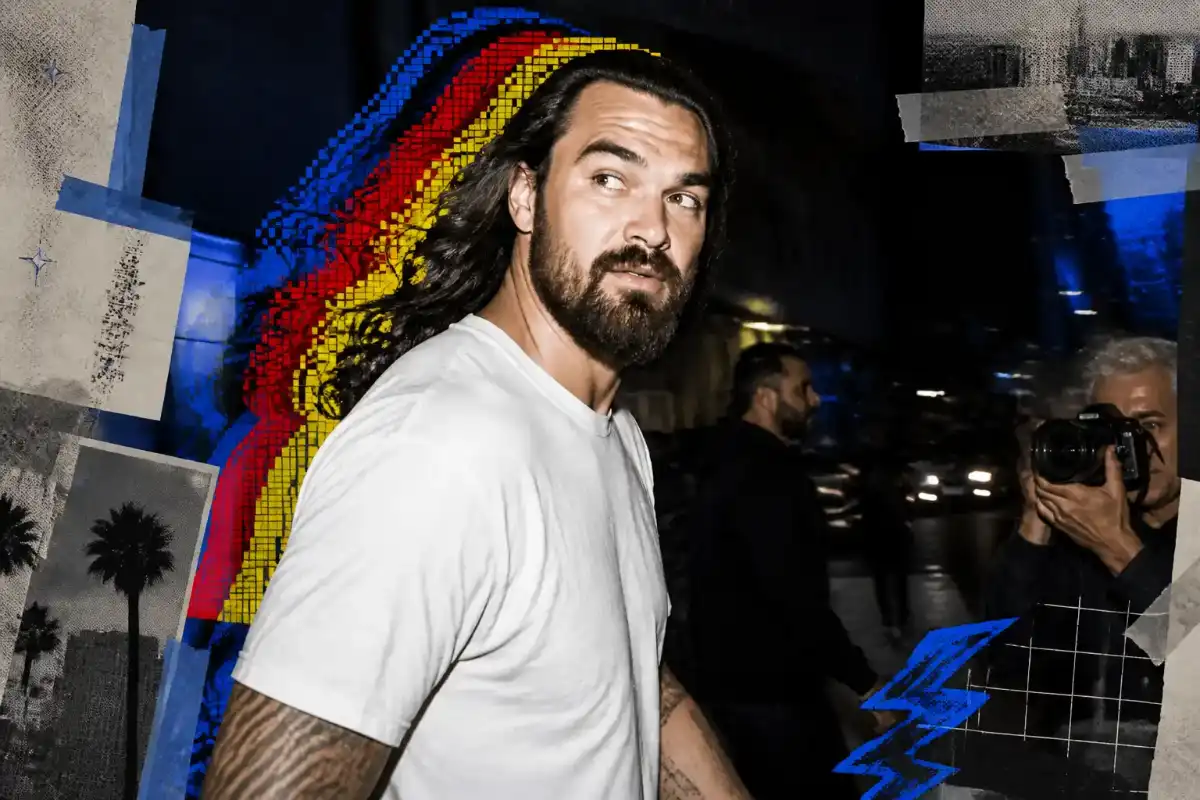
The numbers give that concern some weight. Axios and the Los Angeles Times have valued the transaction at $111 billion. The combination would place CBS News, CNN, HBO, TBS and the Paramount and Warner Bros. film studios under common control, creating an entertainment and information empire with a very crowded logo wall.
Although the Justice Department approved the deal in June, the legal drama is not finished. California Attorney General Rob Bonta and 11 other Democratic state attorneys general sued on antitrust grounds. Paramount agreed to pause the transaction, and a trial is scheduled for March 2, 2027, in Oakland.
The Los Angeles Times has reported an estimate of 4,500 potential job losses in Los Angeles if the companies combine. That makes Clooney’s warning more than a general Hollywood worry. Thousands of livelihoods could be attached to the outcome.
What sparked the Mark Ruffalo free-speech dispute
Clooney also defended Mark Ruffalo after Paramount accused the actor and activist of invoking “antisemitic tropes” in his criticism of the deal. Ruffalo had connected Oracle’s work involving Israeli military technology with the Ellison family’s growing media ambitions.
“I support Mark Ruffalo’s ability to speak freely,” Clooney said. “We’re not going to ban speech.” He added that democratic debate must include views people strongly oppose, describing Ruffalo as “a good man.”
Paramount has argued that terms such as “genocide” and “apartheid” were being wrongly attached to a corporate transaction, diminishing the meaning of those words. Ruffalo called the allegation against him “appalling and fundamentally dishonest,” maintaining that criticism of Israel’s government, military contracts or technology suppliers does not amount to criticism of Jewish people.
More than 180 Jewish artists signed a letter defending Ruffalo and calling Paramount’s accusation “absurd.” The signatories included Joaquin Phoenix, Joel Coen, Jonathan Glazer, Hannah Einbinder and Tony Kushner. The Anti-Defamation League and Simon Wiesenthal Center supported Paramount’s objections, according to the Los Angeles Times.
The clash adds another layer to the merger battle. David Ellison’s role at Paramount and his family’s connections to Oracle bring entertainment ownership, news operations and military technology into the same increasingly tense conversation.
How AI could shrink Hollywood’s workforce
Corporate consolidation was not Clooney’s only employment concern. He described artificial intelligence as a revolution that could eliminate a significant number of industry jobs, particularly in visual effects.
Clooney floated a possible figure of about 30 percent while stressing that he did not know the precise number. His larger point was that the industry has reacted slowly instead of setting the rules early.
“We’re kind of on our back foot on it,” he said. “We’re not taking the lead on it.”
His personal request for the deepfake era was considerably more specific: “I would like to avoid being in a tampon commercial 20 years after I’m dead.”
The joke landed, but the underlying issue was unmistakable. Performers face questions about digital replicas and posthumous use of their likenesses, while visual-effects workers face immediate pressure on jobs that studios may attempt to automate. Clooney’s remarks connected both concerns to the same problem hanging over the merger: powerful companies making decisions while workers wait to learn what survives.
Why media ownership worries him
Journalism carries personal significance for Clooney. His father, Nick Clooney, worked as a journalist, while his wife, human rights lawyer Amal Clooney, is also the daughter of a journalist. Through the Clooney Foundation for Justice, the couple has supported reporters imprisoned after challenging governments and other powerful institutions.
“We have nothing but admiration and support for journalism,” he said. Clooney described the profession as permanently contested but remained confident that information would continue to emerge.
Still, he expressed concern about the concentration of media power among billionaires, citing Jeff Bezos’ ownership of The Washington Post and Elon Musk’s control of X, formerly Twitter. He estimated that five or six major information outlets now belong to some of the world’s wealthiest people.
“There’s still a lot of room for good journalism,” Clooney said, though his comments made clear that ownership matters. A deal placing CBS News and CNN within the same company would only sharpen that debate.
What Clooney said about American politics
Clooney described himself as optimistic about the United States, even while calling the current political moment “unfortunate,” then adding that the word was probably an understatement.
He said November’s elections should provide “a check and balance” and voiced hope that 2028 could bring “some restoration into some normalcy.” Clooney also criticized Defense Secretary Pete Hegseth over a controversial social media post involving women serving in Canada’s military.
“Where’s the sense of decency in all of this?” he asked. “I’m ashamed of all of that. But we will get through it, and we will come out better on the other side.”
The comments fit Clooney’s long record of mixing entertainment work with political advocacy. They also ensured that his lifetime-achievement appearance would not become a purely nostalgic tour through old premieres and perfect tailoring.
How Venice became part of his personal story
Clooney’s connection to the festival stretches back decades. His Venice appearances include Steven Soderbergh’s Out of Sight, the Coen brothers’ Intolerable Cruelty and Burn After Reading, Tony Gilroy’s Michael Clayton, Alfonso Cuarón’s Gravity, and his own directing projects Good Night, and Good Luck, The Ides of March and Suburbicon. More recently, he returned with Jon Watts’ Wolfs, opposite Brad Pitt.
Not every screening produced a victory lap. Clooney recalled attending Intolerable Cruelty with Catherine Zeta-Jones and realizing that none of the comedy’s jokes had connected with the audience. When viewers turned to stare at them instead of applauding, he told Zeta-Jones, “Run!” They did.
His most important Venice memory, however, was marrying Amal Clooney in the city in 2014. “I would get in a lot of trouble if I don’t say that,” he joked. The couple, who have twins and a longtime home near Lake Como, attended this year’s festival together.
The parallels with Jay Kelly were not lost on him. Asked whether receiving a real career tribute felt as romantic and melancholy as the fictional one, Clooney joked that at 65, even brushing his teeth can inspire nostalgia. He quickly balanced that reflection with gratitude for Amal, their children and his ability to keep working on his own terms.
One of those future jobs will bring back familiar company. Clooney confirmed that another Ocean’s movie is planned with friends including Brad Pitt and Matt Damon, though production must wait until their schedules align.
After more than 40 years of hits, misses and very public opinions, Clooney credited chance and the support of collaborators for his longevity. “It really requires luck all the way through,” he said. Venice, clearly, remains one of his luckier locations.