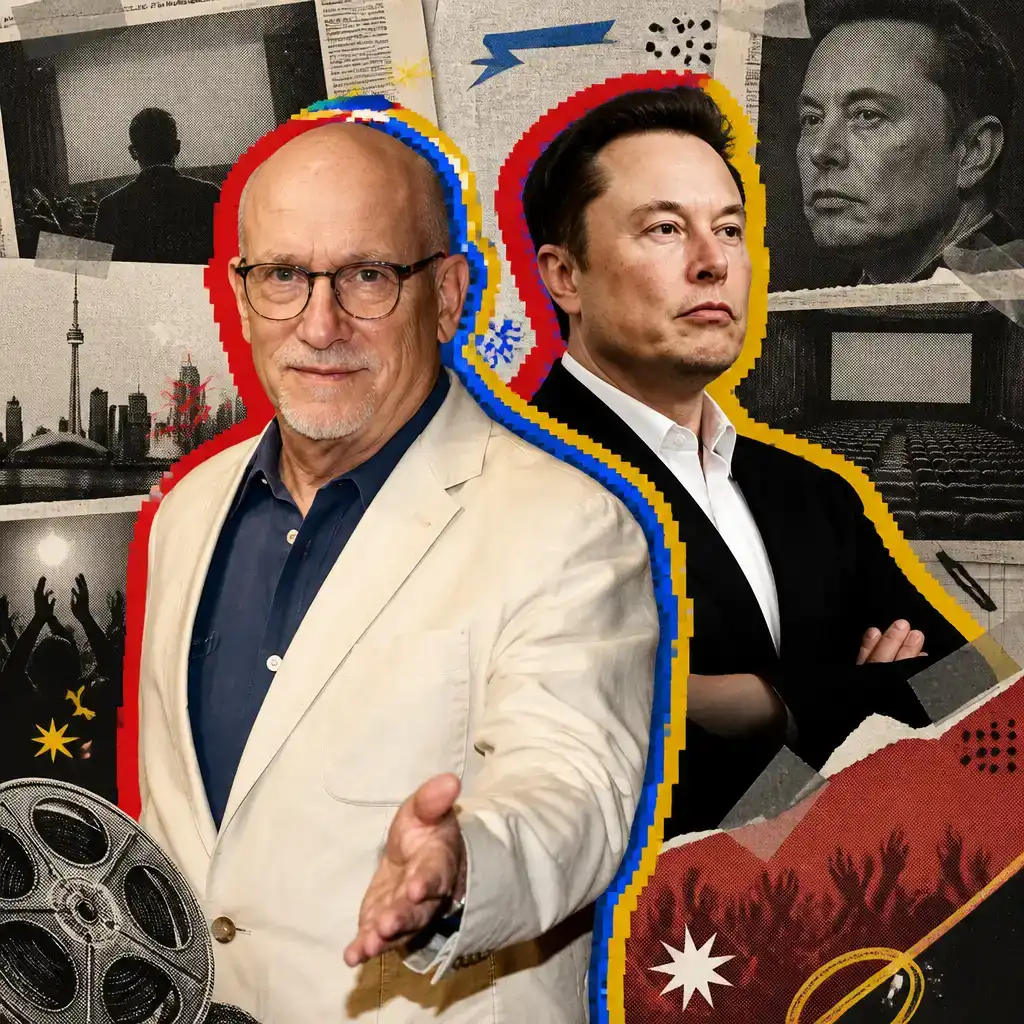
Alex Gibney’s Musk documentary made its North American premiere at the Toronto International Film Festival on Monday, where a courteous but visibly rattled crowd sat through four hours of Elon Musk, unchecked influence and institutional alarm bells. The response suggested the film will not arrive quietly when it reaches theaters in October.
“I found it very overwhelming. And that’s a compliment,” said Katie Drummond, global editorial director of Wired and one of the documentary’s key voices. She was watching the finished film for the first time.
“What stands out to me is how all encompassing [Musk’s] reach and power really are,” Drummond told the audience during the post-screening discussion, standing alongside Gibney.
What does the documentary investigate?
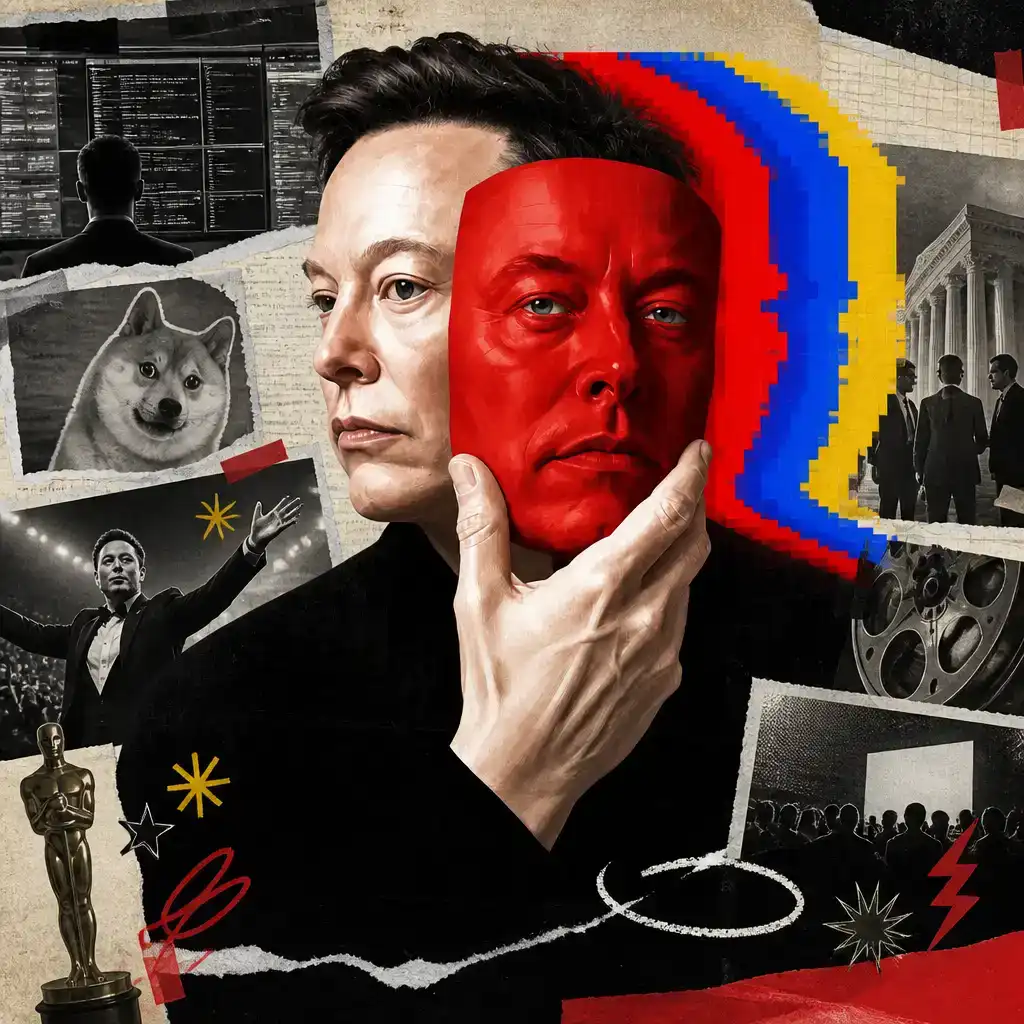
Made over more than three years, Musk examines the billionaire’s expanding economic, technological and political influence. The film moves through artificial intelligence, social media, electric vehicles and space exploration while questioning how much personal credit Musk deserves and why his accumulation of power has faced limited scrutiny.
One especially pointed section covers Musk’s secretive four-month period with the Department of Government Efficiency in Washington. The documentary raises concerns that Musk and people working for him may have obtained sensitive information involving tens of millions of Americans, potentially for later political use.
Gibney did not soften his view at TIFF. From the stage, he called Musk the “shadow president of the United States.” He then widened the target beyond one billionaire.
“I think we’re recognizing that a few billionaires are trying to take control of the world and it’s up to us to stand up and resist,” the director said.
The audience responded with loud applause. When the lights came up, attendees discussed the film with a mix of excitement and unease, then filled the question-and-answer session with queries about Musk’s authority, Gibney’s creative decisions and what resistance might actually involve.
How did Gibney answer an Elon Musk supporter?
At least one Musk admirer attended the screening and challenged the director directly, asking whether he would rather live in a world without “the accomplishments of Elon Musk.”
Gibney questioned the premise.
“I kind of question the phrase the accomplishments of Elon Musk,” he replied. “Tesla was not founded by Elon Musk; he was not the key inventor. SpaceX also was founded by a lot of powerful engineers.”
The exchange drew an approving reaction from the room. Throughout the screening, viewers reportedly shook their heads at key moments and applauded enthusiastically once the credits rolled. Nobody appeared defeated by the substantial running time, despite Musk’s own advance review suggesting otherwise.
The project represents another major entry in Gibney’s investigative career. His previous films have tackled Scientology, Enron and the United States military. Production on Musk included a new round of work after its subject entered Washington in 2024, adding a late political chapter to an already sprawling portrait.
Toronto followed a high-profile screening at the Venice Film Festival one week earlier, where audience members openly thanked Gibney for what they described as a journalistic and democratic service. At a TIFF conversation on Sunday, the filmmaker also said he received “nothing back” after contacting Musk’s legal team following a threat.
When will Musk reach theaters and streaming?
Bleecker Street moved the theatrical release forward by one week after A24 scheduled Nathan Fielder and Lance Oppenheim’s surprise documentary You Can See Everything for October 16.
The revised rollout is:
- New York and Los Angeles on October 9
- Most major cities on October 16
- A paid video-on-demand window lasting as long as four months
- An HBO premiere planned for the first quarter of 2027
That October 16 expansion places Musk opposite the Elizabeth Holmes film. Anyone attempting both documentaries in one sitting will need roughly seven free hours and a serious snack strategy.
The HBO plan could still be affected by decisions from David Ellison, identified as the incoming owner of Warner Bros. Discovery.
A substantial awards campaign is also expected. The documentary is considered a strong potential contender for best documentary feature and original song, thanks to a playfully subversive David Byrne number over the closing credits. Depending on the strength of the narrative-film field, it could even enter the best picture conversation.
No documentary has ever received an Academy Award nomination for best picture. Even so, both Gibney’s film and the Fielder-Oppenheim project may have a stronger chance than most nonfiction releases in recent years.
What has Musk’s legal team said?
Elon Musk’s attorney, Alex Spiro, sent filmmakers a letter last week accusing them of refusing to screen the documentary for Musk’s representatives, conduct fact-checking with his team or accept witnesses they offered.
“Because you have refused to screen the film, refused to fact-check it with us and refused the witnesses who came to you, we have every reason to expect that it contains further statements about Mr Musk that you know to be false, or whose falsity you have deliberately chosen not to investigate,” the letter stated.
Spiro also said Musk’s representatives had repeatedly requested an opportunity to provide information through what he called a normal journalistic fact-checking process.
Gibney checked certain details with members of Musk’s team but did not offer them an advance screening. That decision follows the established journalistic practice of not giving documentary subjects editorial access to unreleased work.
The film also reveals a text Musk allegedly sent to his former partner Ashley St. Clair after the 2024 election. In it, Musk said he would “unleash the anomaly in the matrix” and mentioned his “lasers in space.” St. Clair believed the message referred to Starlink. Spiro’s letter warned filmmakers before release that this insinuation was false.
How has Elon Musk responded to the film?
Musk did not post on X during or immediately after the Toronto premiere. The previous week, however, he dismissed the documentary without being known to have watched it.
He called it “a hit piece that misses, and makes the fatal sin of being boring for 4 hours.”
The TIFF audience supplied a rather different review. Viewers remained engaged, reacted audibly and crowded around Gibney after the discussion. For nearly 20 minutes, the director answered additional questions about his efforts to contact Musk and how he selected which companies, controversies and periods of the billionaire’s career to include.
With its October release approaching, Musk now moves from festival debate toward a wider public test. Four hours may be a major commitment, but the Toronto crowd treated the film less like homework and more like evidence demanding an argument.